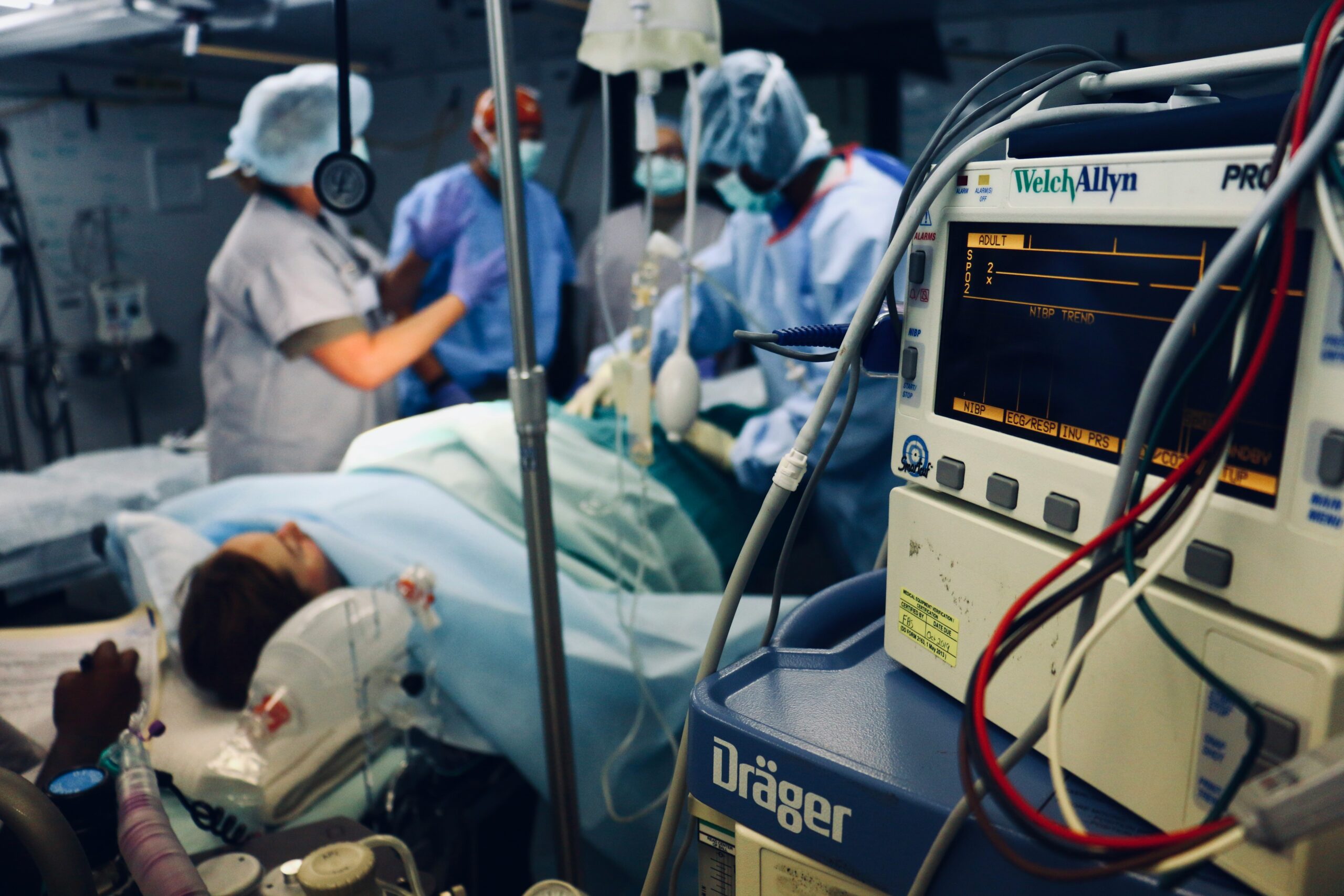
Emergency medicine works like a high-speed engine that never shuts down. Every second matters, and every decision can change a life. While most people only see the emergency room waiting area, a complex system runs behind the doors. In this system, doctors, nurses, and specialists work together to deliver fast and accurate care. As a result, emergency medicine has become one of the most demanding and essential areas in healthcare.
This article takes you behind the scenes of critical care and shows how emergency teams respond when life is on the line.
The Fast-Paced Nature of Emergency Medicine
Emergency departments never follow a predictable schedule. Patients arrive with injuries, illnesses, and sudden medical crises at any time. Therefore, staff must stay alert and ready for anything.
When a patient enters the emergency room, the team quickly assesses the situation. They decide who needs immediate care and who can safely wait. This process keeps the system moving and helps save lives. At the same time, it reduces overcrowding and improves efficiency.
Because conditions can change within minutes, teams rely on constant communication. Nurses, physicians, and technicians update each other in real time. As a result, decisions happen quickly and with precision.
How Triage Sets the Stage for Care
Triage acts as the first filter in emergency medicine. It sorts patients based on urgency rather than arrival time. This system ensures that the most critical cases receive attention first.
A trained triage nurse checks vital signs, symptoms, and medical history. Then, they assign a priority level. For example, a patient with chest pain may be seen before someone with a minor fracture.
Since triage guides the entire workflow, it plays a key role in outcomes. Moreover, it helps reduce delays in life-threatening cases. Without it, emergency departments would struggle to function effectively.
The Critical Care Team in Action
Emergency medicine depends on teamwork. Doctors, nurses, paramedics, radiology staff, and lab technicians all contribute to patient care. Each role supports the others, which creates a smooth and efficient system.
Doctors lead diagnosis and treatment decisions. Meanwhile, nurses monitor patients and deliver medications. At the same time, technicians run tests to confirm conditions such as infections or internal injuries.
Because emergencies evolve quickly, the team must adapt constantly. For instance, a stable patient can become critical within minutes. Therefore, communication and coordination remain essential at every step.
Life-Saving Interventions in Real Time
Critical care often involves immediate interventions. These actions stabilize patients and prevent further harm. Common procedures include oxygen therapy, wound treatment, cardiac support, and emergency surgery preparation.
In many cases, the team works under extreme pressure. However, training and experience guide their actions. They follow structured protocols that reduce errors and improve outcomes.
Transitioning from diagnosis to treatment happens almost instantly. For example, if a patient shows signs of stroke, the team may begin imaging and medication within minutes. As a result, faster treatment leads to a better chance of recovery.
Technology That Supports Emergency Care
Modern emergency medicine relies heavily on technology. Advanced imaging tools like CT scans and X-rays help doctors quickly identify internal injuries. In addition, bedside monitors track heart rate, oxygen levels, and blood pressure in real time.
Electronic health records also play a major role. They allow doctors to access patient history within seconds. Consequently, this reduces guesswork and improves accuracy.
Furthermore, communication systems instantly connect different departments. This helps coordinate care between emergency rooms, intensive care units, and surgical teams.
Because of these tools, hospitals can respond faster and more effectively than ever before.
The Emergency Department Workflow Behind the Scenes
The emergency department operates like a carefully structured system. Every step follows a sequence designed for speed and safety.
First, patients arrive and go through triage. Next, they move into examination rooms where doctors assess their condition. Then, diagnostic tests confirm the problem. After that, treatment begins immediately.
Although this process sounds simple, it requires constant coordination. Staff members track multiple patients at once, which demands focus and organization. At the same time, they must remain flexible because emergencies rarely follow a straight path.
As a result, workflow management becomes just as important as medical skills.
The Human Side of Critical Care
Emergency medicine is not just about technology and procedures. It also involves emotional strength and compassion. Patients often arrive scared, confused, or in pain. Therefore, healthcare workers must provide reassurance while delivering treatment.
Doctors and nurses frequently support families during difficult moments. They explain conditions clearly and offer guidance during uncertain situations. This emotional support can make a major difference in patient experience.
Although the environment is intense, many professionals find deep meaning in their work. They see direct results of their actions, which motivates them to continue.
Challenges Faced in Emergency Medicine
Emergency departments face several challenges every day. High patient volume often leads to overcrowding. As a result, staff must prioritize care carefully.
In addition, limited resources can create pressure. Beds, equipment, and staff may not always meet demand. Therefore, teams must make quick decisions about resource allocation.
Burnout also affects many healthcare workers. Long shifts and emotional stress can take a toll. However, hospitals continue to improve support systems to help staff manage stress.
Despite these challenges, emergency teams remain committed to saving lives.
Training and Preparation for Critical Care
Healthcare professionals in emergency medicine undergo extensive training. They study medical science, practice simulations, and complete real-world clinical experience. This preparation helps them stay calm under pressure.
Simulation labs play an important role in training. They recreate real emergency scenarios so teams can practice responses. Consequently, professionals build confidence and improve decision-making skills.
Continuous education also keeps staff updated on new treatments and technologies. Since medicine evolves quickly, ongoing learning is essential.
The Future of Emergency Medicine
Emergency medicine continues to evolve with innovations. Artificial intelligence now helps doctors predict patient risks faster. In addition, portable diagnostic tools bring advanced care closer to patients.
Telemedicine also expands access to emergency support. In remote areas, doctors can guide treatment through video communication. As a result, more patients receive timely care.
Furthermore, hospitals are improving workflow systems to reduce waiting times. These improvements aim to make emergency care faster, safer, and more efficient.
Emergency medicine represents one of the most critical parts of modern healthcare. It combines skill, teamwork, and technology to save lives every day. Although the environment is fast and often stressful, the system continues to function with precision and care.
From triage to treatment, every step plays a role in patient survival. Moreover, the dedication of healthcare professionals ensures that patients receive immediate and effective care when they need it most. As medicine continues to advance, emergency care will become even more efficient and life-saving.