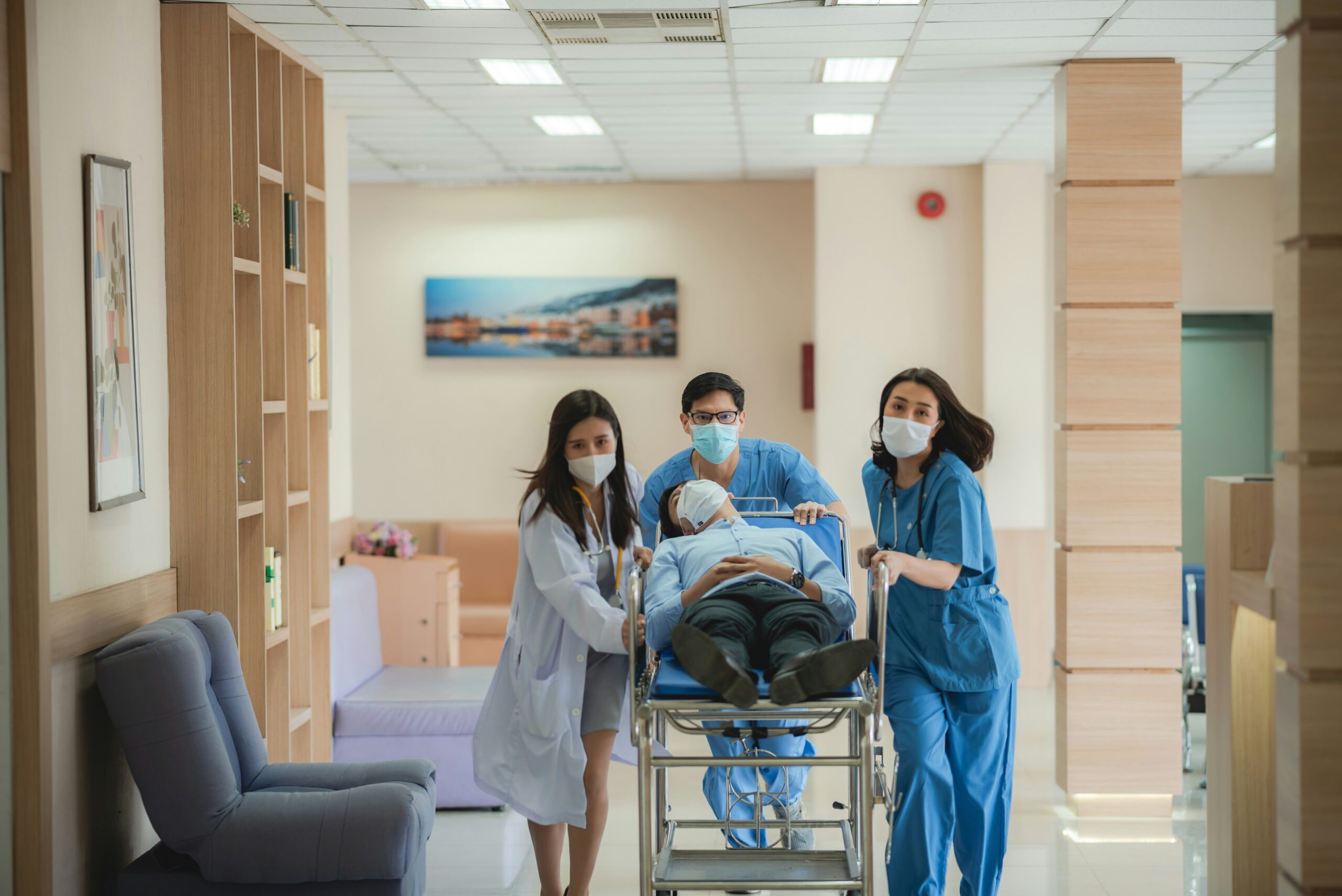
Emergency professionals meet people on the worst days of their lives. Paramedics, firefighters, emergency nurses, police officers, dispatchers, search-and-rescue workers, and crisis response teams step into scenes most people never want to imagine. They see injury, fear, grief, confusion, violence, loss, and survival at close range. Their work is not only technical. It is emotional, human, and deeply personal.
The trenches of trauma are not always as dramatic as movies portray them. Sometimes trauma is quiet. It is a child sitting silently after a car crash. It is an elderly person unable to explain what hurts. It is a family member asking the same question again and again because shock has made reality impossible to accept. Emergency professionals learn that trauma is not limited to the injured person. It spreads through families, neighborhoods, workplaces, and even the responders themselves.
Trauma Does Not Follow a Script
One of the first lessons emergency professionals learn is that trauma rarely unfolds predictably. Training prepares them for procedures, protocols, and decision-making under pressure, but real-life emergencies often arrive with missing information and emotional chaos. A call may begin as a minor accident and quickly escalate to a life-threatening situation. A calm patient may suddenly collapse. A crowd may become panicked, angry, or unsafe.
This unpredictability teaches responders to stay flexible. They learn to assess, adapt, and act without waiting for perfect conditions. In trauma work, hesitation can cost lives, but rushing without awareness can also create danger. Emergency professionals develop the ability to make fast decisions while constantly updating their understanding of the scene. That balance between speed and caution is one of the most important skills in crisis response.
Calm Is a Professional Skill
Remaining calm in an emergency is not the same as feeling nothing. Emergency professionals may feel fear, sadness, frustration, or urgency, but they learn how to manage those emotions so they can function effectively. Their calm voice, steady hands, and clear instructions often help everyone else regain control. In many crises, emotional stability becomes as important as medical or technical skill.
Calm is also contagious. When a responder speaks clearly and moves with purpose, patients and bystanders often feel safer. This does not erase the trauma, but it can reduce panic and create enough order for help to happen. Emergency professionals understand that their presence sends a message before they say a word. The message is simple: someone trained is here, and the situation is being handled.
Listening Can Be as Critical as Action
In emergency work, action matters. Stopping bleeding, opening an airway, controlling a fire, securing a scene, or coordinating transport can save lives. Yet experienced professionals know that listening is also an act. A patient’s words may reveal symptoms, fears, medications, allergies, or details about what happened. A witness may provide the missing piece that changes the response.
Listening also protects dignity. People in crisis often feel powerless. They may be exposed, frightened, confused, or embarrassed. When an emergency professional listens, even briefly, it reminds the person that they are more than a case or a call number. Asking, “Can you tell me what happened?” or “What do you need right now?” can restore a small sense of control during an overwhelming moment.
The Body Remembers Stress
Emergency professionals immediately see how trauma affects the body. Shock, shaking, rapid breathing, confusion, numbness, nausea, and tunnel vision are common responses. These reactions are not signs of weakness. They are the body’s survival systems trying to protect the person from a threat. Responders learn to recognize these signs and respond with patience rather than judgment.
They also learn that their own bodies remember stress. After repeated exposure to emergencies, responders may carry tension long after a shift ends. Sleeplessness, irritability, emotional numbness, hypervigilance, or intrusive memories can appear over time. Many emergency professionals are trained to care for others before themselves, but the work teaches a hard truth: ignoring personal stress does not make it disappear.
Teamwork Saves Lives
No emergency professional works alone, even when they are the first to arrive. Trauma response depends on coordination. Dispatchers gather information and guide callers. Police secure scenes. Firefighters handle rescue and hazards. Paramedics provide field care. Emergency departments prepare for arrival. Each role matters, and each role depends on communication.
The best teams are not built only during major disasters. They are built through routine calls, training, trust, and shared standards. Emergency professionals learn to communicate in direct, concise language because confusion can be dangerous. They also learn to respect others’ expertise. In trauma response, the ego slows people down. Teamwork keeps the mission focused on the person who needs help.
Compassion Must Be Practical
Compassion in emergency work is not always soft or sentimental. Sometimes it means making a hard decision quickly. Sometimes it means telling a family member to step back so treatment can begin. Sometimes it means being honest without being cruel. Emergency professionals learn that compassion must work in the real world, where time is limited, and conditions are imperfect.
Practical compassion shows up in small moments. Covering a patient with a blanket. Explaining what is happening before moving them. Speaking to a frightened child at eye level. Making sure a family member knows where their loved one is being taken. These gestures may seem simple, but they can stay with people for years. In trauma, kindness is not extra. It is part of effective care.
Not Every Outcome Can Be Controlled
Emergency professionals enter the field to help, but they quickly learn that effort does not guarantee survival. Sometimes the injuries are too severe. Sometimes help arrives too late. Sometimes, even when every protocol is followed correctly, the outcome is still heartbreaking. This is one of the most difficult lessons in trauma work.
Accepting this reality does not mean becoming indifferent. It means understanding the limits of human control. Professionals must learn to measure themselves not only by outcomes but also by the quality of their responses. Did they act with skill? Did they communicate clearly? Did they protect dignity? Did they do everything reasonably possible? These questions help responders continue their work without being destroyed by every loss.
Debriefing Helps Turn Pain into Learning
After traumatic calls, emergency teams often review what happened. A good debrief is not about blame. It is about learning, improving, and giving people space to process the event. What went well? What could be improved? Was communication clear? Did the team have the equipment and support they needed? These conversations can strengthen future responses.
Debriefing also gives emotional weight a place to go. When responders never talk about difficult calls, the stress can build quietly. Structured reflection helps normalize reactions and encourages people to seek support when needed. Emergency professionals learn that strength is not silence. Strength includes being able to review painful experiences honestly and use them to become better prepared.
Families Are Part of the Emergency
Trauma scenes often include family members, friends, coworkers, or strangers who are emotionally affected by what they see. Emergency professionals must care for the patient while also managing the people around them. A parent may be screaming. A spouse may be in shock. A friend may try to interfere because they are terrified. These reactions can complicate the response, but they are also part of the human reality of crisis.
Experienced responders learn to give family members clear, simple information when possible. Even a brief explanation can reduce fear. “We are helping him breathe,” or “She is going to the hospital now,” can matter deeply. Families may not remember every detail, but they often remember whether they were treated with respect. In moments of trauma, communication becomes a form of care.
Resilience Requires Support
The public often imagines emergency professionals as naturally tough people who can handle anything. In truth, resilience is not just a personality trait. It is built on training, peer support, healthy routines, leadership, access to counseling, and a culture that encourages honest speech. No one is immune to the effects of repeated trauma exposure.
Emergency professionals learn that survival in the field requires more than courage. It requires recovery. Sleep, exercise, family time, therapy, faith, hobbies, humor, and trusted colleagues can all play a role. The strongest responders are often the ones who understand their limits and take steps to protect their mental health before a crisis becomes a collapse.
The Work Changes How People See Life
Emergency work can leave scars, but it can also create perspective. Professionals who face trauma regularly often develop a deeper appreciation for ordinary moments. A quiet meal, a safe drive home, a healthy child, or a peaceful night can feel more valuable after seeing how quickly life can change. Trauma teaches them that normal days are not guaranteed.
It also teaches them about human endurance. Emergency professionals witness pain, but they also witness courage. They see strangers help strangers. They see patients fight to survive. They see families hold each other through unbearable news. In the trenches of trauma, they learn that people can be fragile and remarkably strong at the same time.