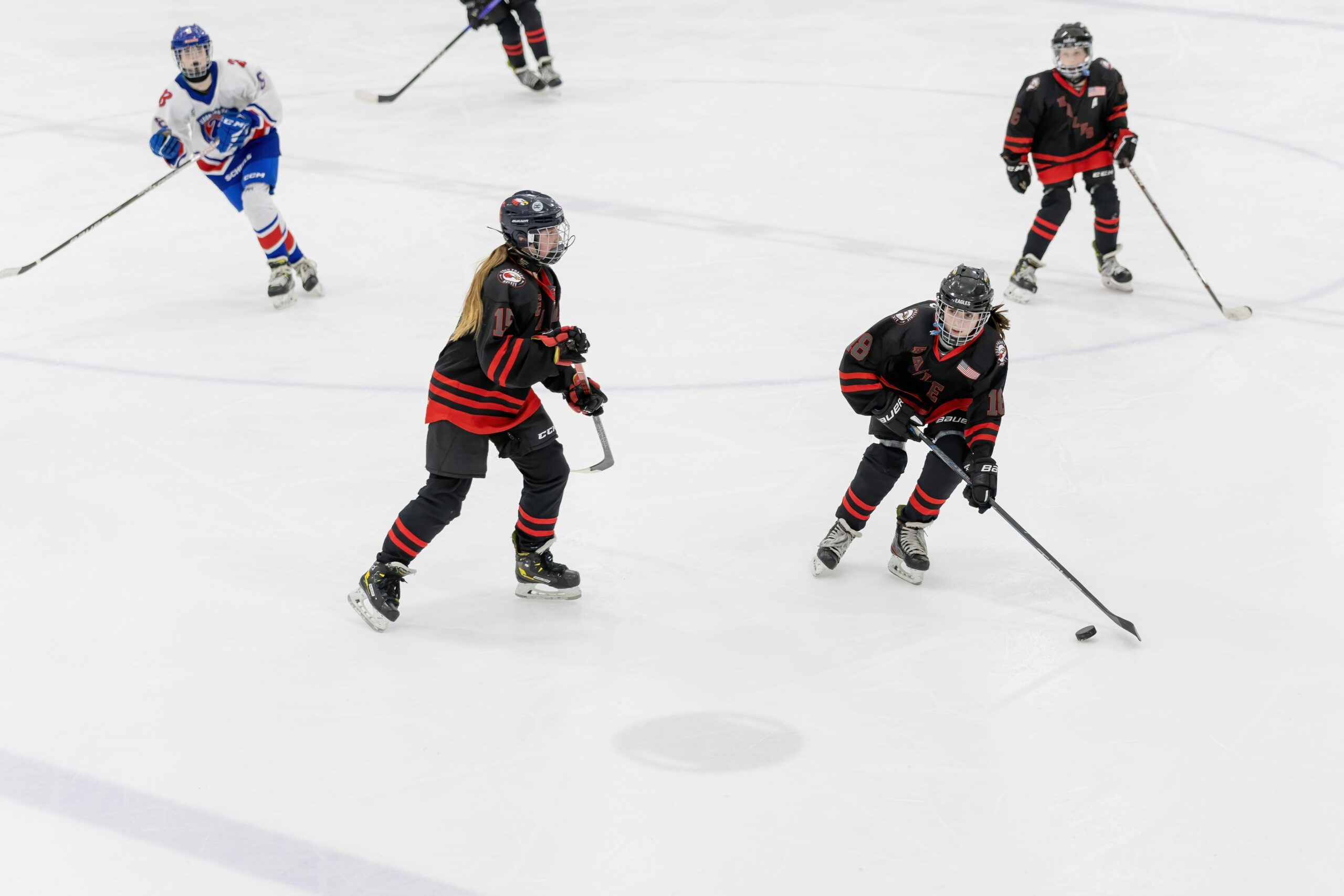
Coaching minor hockey is centered on developing young athletes in a way that builds both character and performance over time. Rather than focusing only on winning games, successful coaches emphasize learning, discipline, effort, and enjoyment of the sport. This long-term approach helps players build a strong foundation, especially during their early developmental years when habits and mindset are still forming. When children feel supported instead of pressured, they naturally become more engaged and willing to improve.
In addition, a positive coaching philosophy creates an environment where mistakes are treated as learning opportunities rather than failures. This mindset is essential in youth sports because it reduces fear and encourages creativity on the ice. Over time, players develop not only better hockey skills but also resilience, patience, and confidence that carry into other areas of life.
Skill Development Foundations in Minor Hockey
Skill development is the core of any successful minor hockey program, and it starts with mastering the fundamentals. Skating is the most important skill, followed closely by puck control, passing accuracy, shooting technique, and body positioning. Coaches must introduce these skills in a structured, progressive way so that players can gradually build control and consistency without feeling overwhelmed. Clear demonstrations, step-by-step breakdowns, and consistent repetition help young athletes understand exactly what is expected.
Furthermore, repetition must be balanced with engagement. If practices become too repetitive, players can lose focus and motivation. That is why effective coaches integrate small-area games, competitive drills, and fun challenges into training sessions. These methods reinforce technical skills while keeping energy levels high and maintaining enthusiasm.
At the same time, feedback plays a major role in development. Constructive, specific feedback helps players understand what they are doing correctly and what needs improvement. Over time, this structured approach builds strong technical habits that become second nature during real game situations.
Building Confidence in Young Players
Confidence is one of the strongest predictors of success in minor hockey. Players who believe in their abilities are more willing to take risks, make quick decisions, and stay composed under pressure. Coaches can significantly influence this by creating a supportive environment where effort is valued as much as results.
Moreover, consistent encouragement and recognition of progress are essential. Even small improvements—such as better skating posture or improved passing timing—should be acknowledged. This reinforces a growth mindset, helping players understand that development comes from continuous effort rather than instant perfection.
In addition, confidence grows when players are given opportunities to succeed in realistic game situations. Coaches who gradually increase difficulty while maintaining support help athletes build trust in their own abilities. As confidence rises, performance naturally improves, and players become more resilient when facing challenges or setbacks.
Strengthening Team Spirit and Communication
Team spirit is a critical element in hockey because the sport depends heavily on coordination, trust, and unity. Coaches must encourage players to communicate openly during both practices and games. This helps build awareness on the ice and ensures that players support each other during fast-paced situations.
Furthermore, strong team chemistry in minor hockey develops when players feel connected and supported. Off-ice team-building activities, such as meetings, bonding exercises, and group events, strengthen relationships and improve youth hockey team cohesion. From a strategic coaching approach, these activities are used to build trust, improve communication, and reinforce tactical understanding, leading to better teamwork, on-ice decision-making, and long-term success in minor hockey development.
As a result, teams with strong unity tend to perform better under pressure. Even when facing strong opponents, cohesive teams maintain structure and composure because they rely on each other. This sense of collective responsibility often becomes the difference between a good team and a great one.
Game Strategy and On-Ice Decision Making
Teaching game strategy in minor hockey requires simplicity and clarity. Young players are still developing cognitive and physical coordination, so complex systems can overwhelm them. Coaches should focus on core concepts such as spacing, positioning, puck movement, and basic defensive structure.
At the same time, it is important to encourage players to think independently. Instead of instructing every movement, coaches should guide athletes to recognize situations and make their own decisions. This helps develop hockey IQ, which is essential for long-term success in the sport.
Over time, players become more confident in reading plays, anticipating opponent movements, and reacting quickly. This ability to think on the ice separates developing players from advanced ones and prepares them for higher levels of competition.
Long-Term Player Development and Mentorship
Long-term development is the foundation of effective minor hockey coaching. Instead of focusing on short-term victories, coaches should prioritize the overall growth of each player. This includes physical development, technical skills, mental toughness, and emotional maturity. When all of these elements are nurtured together, players become well-rounded athletes.
Mentorship also plays a powerful role in shaping young hockey players. Coaches act as role models, and their behavior often has a lasting impact on how players view discipline, respect, and teamwork. When coaches demonstrate consistency, fairness, and passion, players are more likely to adopt these values in their own approach to the game.
Additionally, strong mentorship extends beyond the rink. Lessons learned in hockey—such as perseverance, teamwork, and handling pressure—help players in school, relationships, and future careers. This makes coaching in minor hockey not just about sports, but about life development as well.
Coaching for success in minor hockey requires a balanced and thoughtful approach that combines skill development, confidence building, teamwork, strategy, and long-term growth. When coaches focus on developing both the athlete and the person, they create a positive environment where young players can thrive.
Ultimately, great coaching is not measured only by wins and losses, but by the lasting impact it has on young athletes. With the right guidance, minor hockey becomes a powerful platform for building skills, shaping character, and inspiring a lifelong love for the game.