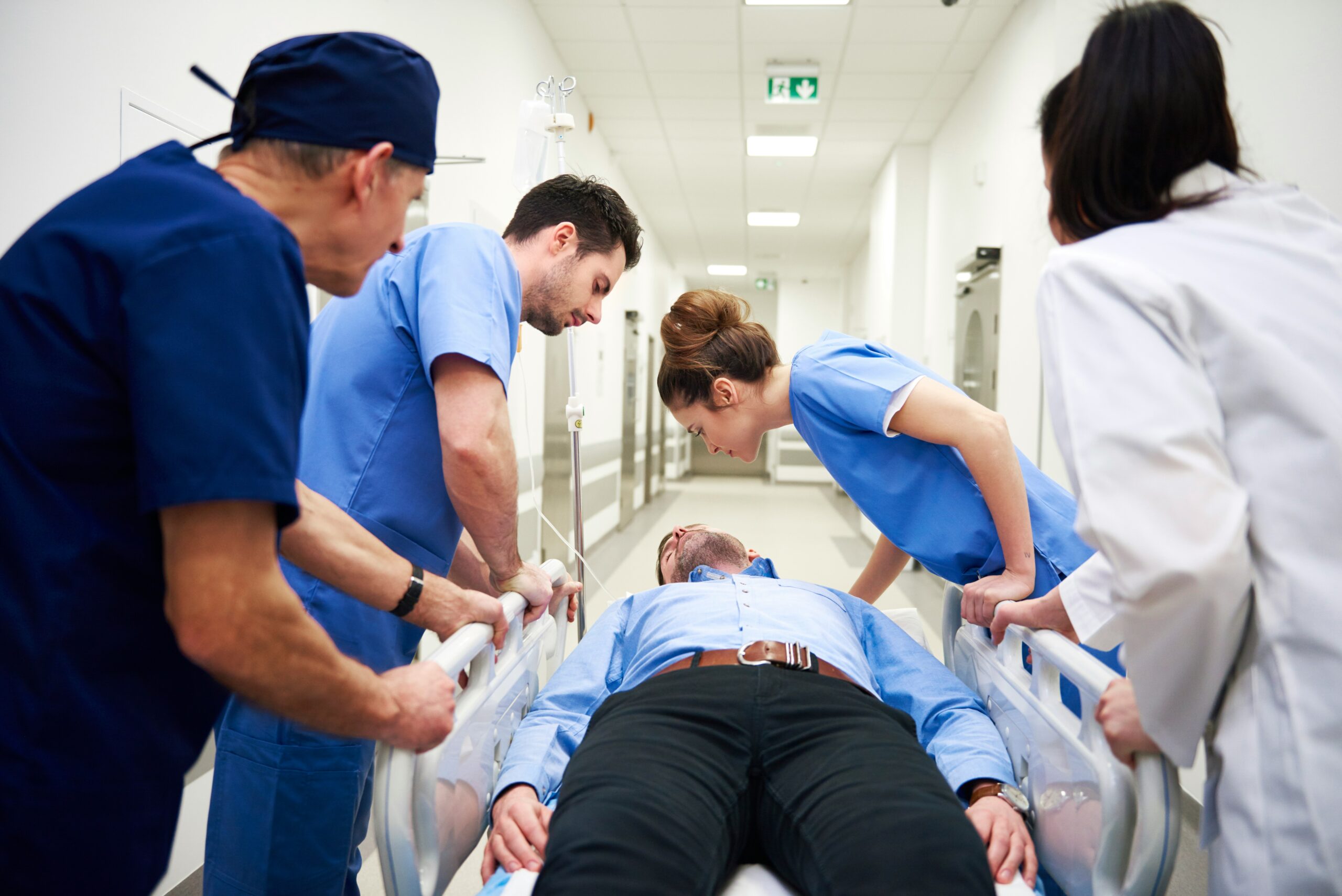
Emergency Medicine stands at the front line of modern healthcare, where critical care teams respond to life-threatening crises with speed, skill, and focus. Every day, doctors, nurses, and specialists work together in high-pressure emergency rooms to stabilize patients, manage trauma, and deliver life-saving treatment. Because emergencies strike without warning, these teams rely on training, teamwork, and advanced tools to protect lives. As a result, Emergency Medicine has become one of the most vital and fast-moving fields in American healthcare.
The Fast-Paced World of Emergency Medicine
Emergency Medicine demands rapid thinking and immediate action. When a patient arrives with chest pain, severe injuries, or breathing trouble, the critical care team quickly assesses vital signs and symptoms. Within minutes, they create a treatment plan and begin care. Meanwhile, team members communicate clearly to avoid delays and reduce risk. Because time often determines survival, every second counts in the emergency room.
In addition, Emergency Medicine professionals train for a wide range of situations. They handle heart attacks, strokes, car accidents, and sudden infections. Therefore, they must stay calm under pressure and adapt to new challenges without hesitation. While other departments focus on long-term care, emergency teams concentrate on stabilizing patients and preventing further harm. This sharp focus helps save lives every single day.
Rapid Assessment and Immediate Intervention
Critical care teams in Emergency Medicine use structured assessment methods to guide their actions. First, they check the airway, breathing, and circulation to ensure the patient remains stable. Then, they gather medical history and perform quick diagnostic tests. For example, they may order blood tests, imaging, or an electrocardiogram. Because these steps happen quickly, teams can detect hidden threats before they worsen.
Once they identify the problem, they move straight to intervention. Doctors may administer medication, control bleeding, or perform emergency procedures. Nurses monitor vital signs closely and adjust care as needed. As a result, patients receive targeted treatment within moments of arrival. This immediate response often prevents complications and increases survival rates in critical situations.
Teamwork in High-Pressure Situations
Emergency Medicine thrives on teamwork. Physicians, nurses, respiratory therapists, and technicians work side by side in a coordinated effort. Moreover, each professional understands their role and supports the others during intense moments. Clear communication reduces confusion and strengthens patient safety. Because emergencies evolve quickly, strong collaboration makes a measurable difference.
During trauma cases, teamwork becomes even more important. For instance, one doctor may lead the resuscitation while another secures the airway. At the same time, nurses start IV lines and prepare medication. Meanwhile, technicians manage equipment and monitor results. This organized approach ensures that no critical step gets overlooked. Therefore, teamwork forms the backbone of effective Emergency Medicine practice.
Advanced Technology and Life-Saving Tools
Modern Emergency Medicine relies heavily on advanced technology. Hospitals equip emergency rooms with cardiac monitors, ventilators, ultrasound machines, and rapid lab systems. These tools provide instant data that guides medical decisions. Because technology delivers real-time results, doctors can adjust treatment without delay. Consequently, patients benefit from faster and more accurate care.
In addition, emergency departments use electronic health records to quickly access patient information. This system helps teams identify allergies, chronic conditions, and previous treatments. As a result, they avoid harmful drug interactions and tailor interventions more precisely. While technology supports decision-making, skilled professionals interpret the data and take decisive action. Together, human expertise and modern tools create a powerful life-saving system.
Managing Trauma and Critical Conditions
Trauma care represents a core part of Emergency Medicine. Car crashes, falls, and violent injuries require immediate attention. Therefore, trauma teams follow strict protocols to control bleeding, protect the spine, and stabilize fractures. Because severe injuries can trigger shock, teams constantly monitor blood pressure and oxygen levels. Early intervention significantly improves patient outcomes.
Emergency Medicine also addresses medical crises such as strokes, heart attacks, and severe infections. For example, when a stroke patient arrives, the team performs brain imaging within minutes. If they detect a clot, they may administer clot-busting medication right away. Similarly, heart attack patients receive rapid cardiac evaluation and treatment to restore blood flow. Swift action by emergency teams reduces long-term damage and improves survival rates.
The Human Side of Emergency Medicine
Although Emergency Medicine focuses on urgent care, compassion remains central to the field. Patients often arrive frightened and in pain. Therefore, doctors and nurses provide reassurance while delivering treatment. Clear explanations help families understand what is happening. As a result, trust grows even during stressful moments.
Furthermore, emergency professionals support each other emotionally. High-stress events can take a toll on mental health. However, many hospitals promote peer support and stress management programs. Because strong mental resilience improves performance, healthcare leaders encourage open communication and teamwork beyond clinical tasks. This balanced approach strengthens both patient care and staff well-being.
Continuous Training and Preparedness
Emergency Medicine requires constant learning and skill development. Medical knowledge evolves rapidly, and new treatment guidelines are often issued. Therefore, emergency teams participate in regular training sessions and simulation drills. These exercises prepare them for rare but critical events, such as mass casualty incidents or complex airway emergencies.
Moreover, certification programs ensure that professionals maintain high standards. Doctors complete specialized residency programs in Emergency Medicine, while nurses earn advanced credentials in critical care. Because preparation builds confidence, teams respond more effectively during real emergencies. Continuous education keeps skills sharp and ensures that patients receive the best possible care.