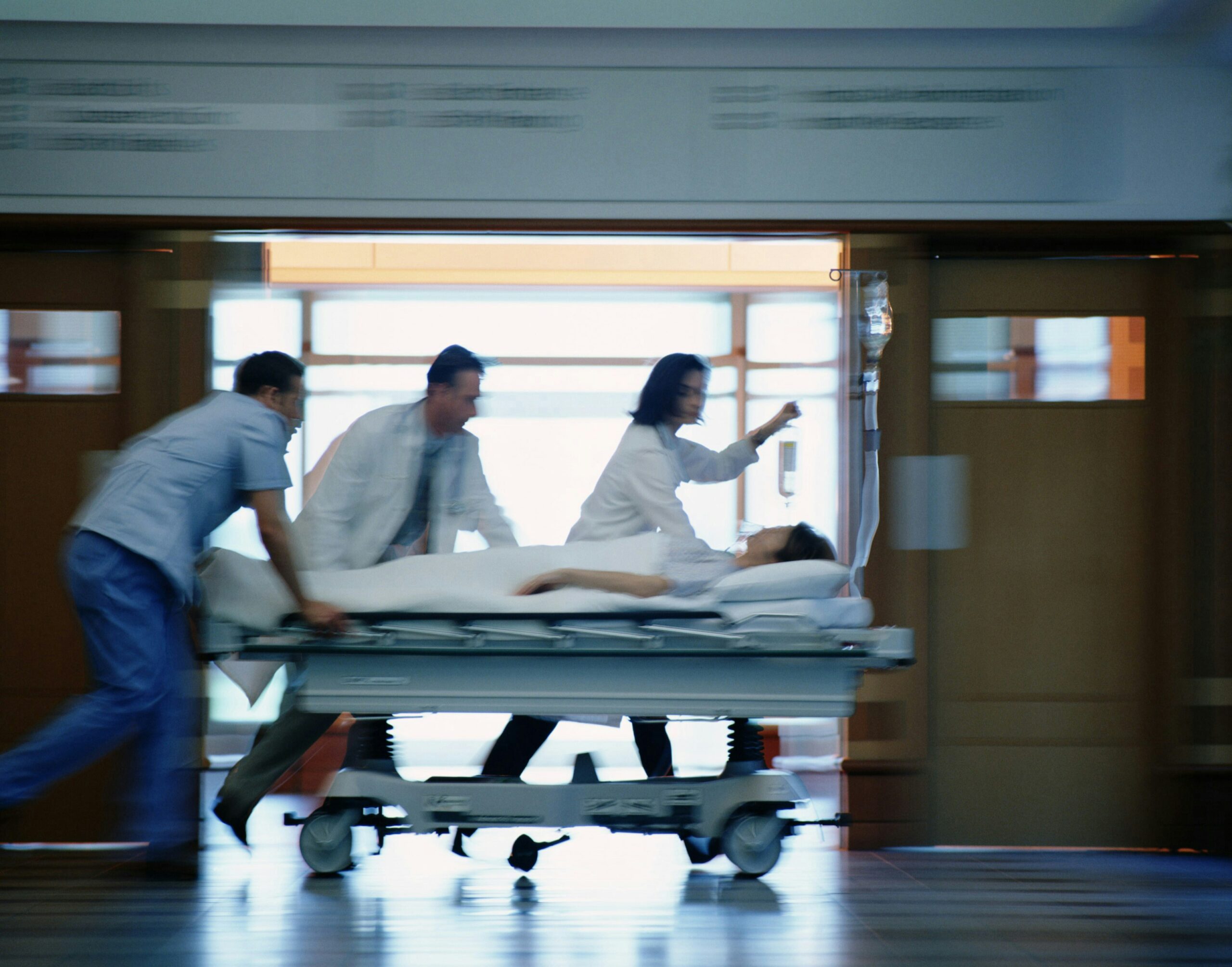
Emergency medicine is one of the most critical areas of healthcare. Every day, emergency departments care for people facing life-threatening injuries, sudden illnesses, and unexpected medical crises. Doctors, nurses, paramedics, and support staff work under constant pressure to provide immediate care that can save lives. As healthcare continues to evolve, emergency medicine is experiencing remarkable changes through advanced technology, improved treatment methods, and stronger teamwork. At the same time, medical professionals continue to face significant challenges while achieving inspiring successes that improve patient care.
The Rapid Evolution of Emergency Medicine
Emergency medicine has changed dramatically over the past few decades. Modern emergency departments now rely on advanced medical equipment, digital records, and faster communication systems to improve patient outcomes. Healthcare providers can quickly access patient histories, laboratory results, and imaging scans, allowing them to make informed decisions without unnecessary delays.
Artificial intelligence is also becoming a valuable tool in emergency care. It helps medical professionals identify serious conditions more quickly, prioritize patients based on urgency, and support faster diagnoses. These technological improvements reduce waiting times and increase the accuracy of treatment decisions.
Portable ultrasound devices, advanced monitoring systems, and mobile diagnostic tools have also transformed emergency medicine. These innovations allow physicians to evaluate patients at the bedside, reducing the need for lengthy testing and speeding up critical treatment.
Technology Improving Patient Care
Technology continues to play a major role in improving emergency healthcare services. Telemedicine has become an important resource, allowing specialists to assist emergency physicians remotely. This is especially valuable in rural hospitals where certain specialists may not always be available.
Robotic systems and automated medication management have also improved efficiency within emergency departments. Digital tracking systems help medical teams monitor patient flow, reduce errors, and coordinate care more effectively.
Wearable health devices have added another layer of innovation. Many patients now arrive with health information collected from smartwatches or other monitoring devices. Heart rhythm data, oxygen levels, and activity records provide emergency physicians with valuable information before treatment even begins.
These technological advancements create a more efficient healthcare environment while helping medical professionals deliver safer and faster care.
The Growing Challenges Facing Emergency Departments
Despite major advancements, emergency medicine continues to face serious challenges. One of the biggest concerns is overcrowding. Emergency departments often receive far more patients than they were designed to handle. Long wait times and limited hospital beds create additional pressure on healthcare professionals.
Staff shortages remain another major issue. Recruiting and retaining experienced emergency physicians, nurses, and paramedics has become increasingly difficult. High stress levels, demanding work schedules, and emotional exhaustion contribute to burnout across the profession.
Emergency departments also care for patients with a wide variety of medical needs. While some individuals require immediate lifesaving treatment, others visit the emergency room because they cannot access primary healthcare services. This increases patient volume and places additional demands on already busy medical teams.
Natural disasters, disease outbreaks, and large-scale accidents further test emergency departments’ ability to respond quickly while maintaining high-quality care.
The Importance of Teamwork in Emergency Medicine
Successful emergency care depends on outstanding teamwork. Physicians, nurses, emergency medical technicians, respiratory therapists, pharmacists, laboratory staff, and radiology professionals all contribute to patient care. Every second matters during medical emergencies, making communication and coordination essential.
Simulation training has become a valuable way to improve teamwork. Medical professionals regularly participate in realistic emergency scenarios that strengthen decision-making, leadership, and communication skills. These practice sessions prepare teams to respond confidently during real emergencies.
Strong collaboration also extends beyond the hospital. Emergency medical services coordinate closely with trauma centers, law enforcement, fire departments, and disaster response organizations. This integrated approach ensures patients receive continuous care from the moment help arrives until recovery begins.
Advances in Trauma and Critical Care
Trauma care has experienced remarkable progress in recent years. Improved imaging technology allows physicians to identify internal injuries faster than ever before. Advanced surgical techniques and specialized trauma teams have significantly increased survival rates following severe accidents.
Critical care protocols continue to improve the treatment of heart attacks, strokes, severe infections, and respiratory emergencies. Faster recognition of these conditions allows healthcare providers to begin lifesaving therapies much earlier, reducing complications and improving recovery.
Blood management strategies, rapid transfusion protocols, and improved emergency surgical procedures have further strengthened trauma care. Every advancement contributes to better patient outcomes during the most critical moments.
Looking Ahead to the Future of Emergency Medicine
The future of emergency medicine will continue to be shaped by innovation, research, and education. Artificial intelligence will become more integrated into clinical decision-making while predictive analytics may help identify high-risk patients before emergencies become life-threatening.
Personalized medicine, genetic research, and precision treatments may allow emergency physicians to provide more individualized care. Improved portable diagnostic devices will continue expanding the ability to diagnose serious conditions quickly in both hospitals and pre-hospital settings.
Healthcare systems are also placing greater emphasis on mental health support for emergency professionals. Addressing burnout, improving workplace wellness, and investing in workforce development will help strengthen emergency departments for future generations.
Emergency medicine remains one of the most demanding and rewarding medical specialties. Every day, dedicated healthcare professionals combine medical expertise, compassion, and innovation to save lives under extraordinary circumstances. As technology advances and healthcare systems continue to improve, emergency medicine will remain at the forefront of delivering rapid, lifesaving care while overcoming new challenges and celebrating remarkable achievements.