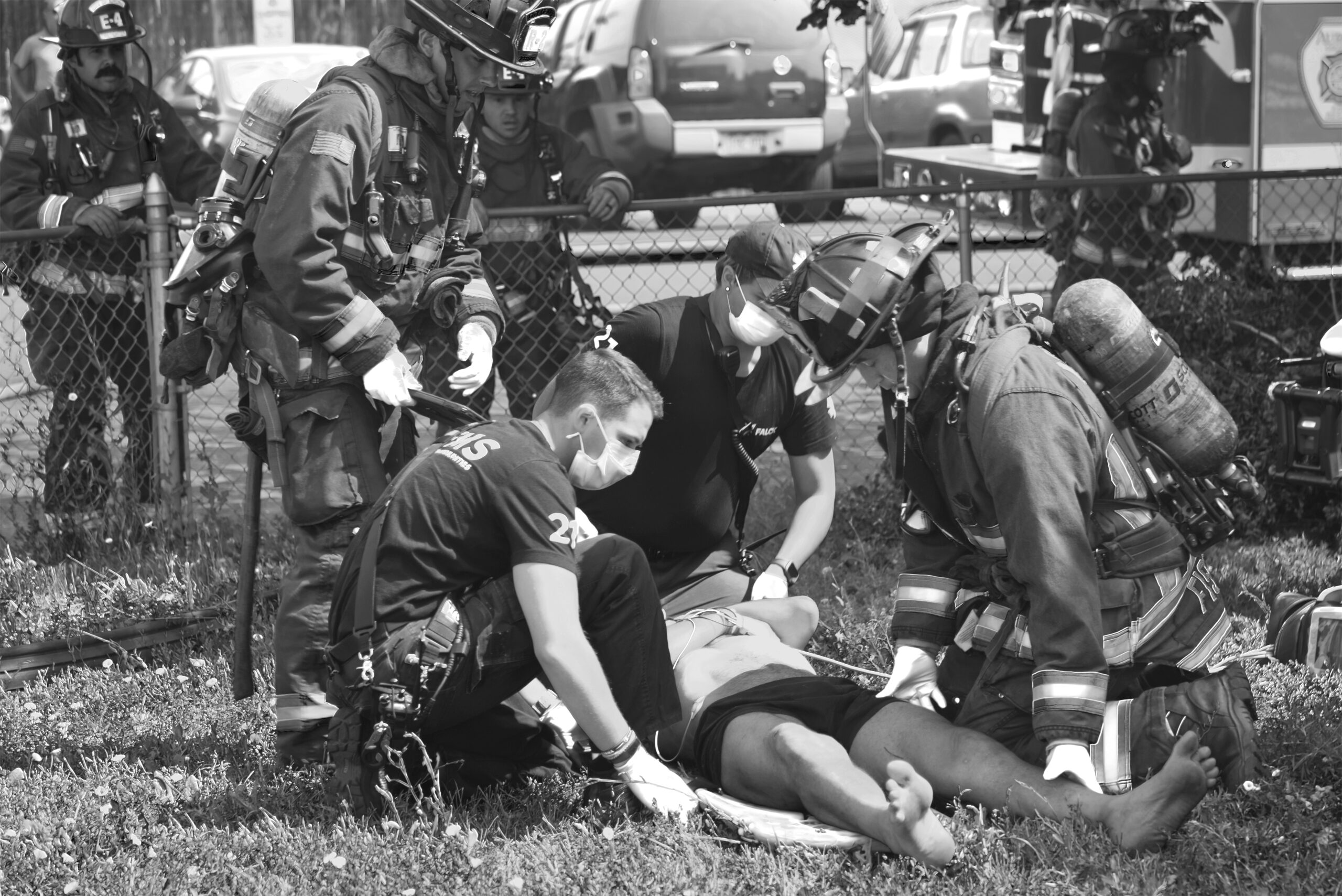
Emergency medicine stands at the center of modern healthcare. Every day, emergency room doctors, nurses, paramedics, and trauma teams rush to save lives during critical medical emergencies. They work in fast-moving environments where quick decisions matter. While patients often see only a few moments of care, emergency medicine professionals face hours of pressure, emotional stress, and physical exhaustion behind the scenes.
Emergency medicine requires skill, focus, teamwork, and compassion. Healthcare workers in this field treat heart attacks, strokes, severe injuries, breathing problems, infections, and countless other emergencies. At the same time, they comfort families, guide patients through fear, and manage difficult situations with confidence. Although the job brings serious challenges, it also offers meaningful rewards. Emergency medicine professionals continue to protect communities because they know their work saves lives every single day.
The Fast Pace of Emergency Medicine
Emergency medicine moves quickly because medical emergencies happen without warning. Patients arrive at all hours with conditions that range from mild illness to life-threatening trauma. Emergency departments must stay ready for anything. As a result, doctors and nurses constantly adjust to new situations while caring for several patients at once.
Emergency medicine professionals must think clearly under pressure. They cannot delay decisions because even a few minutes can change a patient’s outcome. Therefore, emergency teams train for rapid response and quick action. Their ability to remain calm under stress enables hospitals to provide life-saving care around the clock.
The Pressure of Critical Decision-Making
Emergency medicine professionals make important decisions every day. They often treat patients with little information and limited time. For example, a patient may arrive unconscious after an accident, or someone may suddenly stop breathing in the emergency room. In these situations, doctors must identify the problem quickly and begin treatment immediately.
Pressure affects every part of emergency medicine. However, experienced healthcare workers learn how to remain focused even during chaos. They rely on training, teamwork, and medical knowledge to guide their decisions. Because they act fast and stay organized, they improve patient survival and reduce complications during emergencies.
Teamwork Creates Strong Emergency Care
Teamwork plays a major role in emergency medicine. Doctors, nurses, surgeons, technicians, and paramedics work together during every shift. Each person handles a different responsibility, yet all team members share the same goal of protecting patients and saving lives.
Strong communication improves emergency care. During trauma cases or cardiac emergencies, medical teams must share updates quickly and clearly. As a result, teamwork reduces confusion and speeds up treatment. Emergency medicine professionals trust one another because they depend on each other during difficult moments.
Trauma Care on the Frontlines
Trauma care remains one of the most challenging aspects of emergency medicine. Patients injured in car crashes, workplace accidents, falls, or violent incidents often need immediate attention. Trauma teams work quickly to control bleeding, protect the airway, and stabilize injuries before surgery or further treatment.
These emergencies create intense pressure for healthcare workers. Nevertheless, emergency medicine professionals continue to perform with precision and focus. Their fast actions often mean the difference between life and death. Although trauma care brings emotional challenges, many healthcare workers feel proud when patients recover after severe injuries.
Emotional Challenges in Emergency Medicine
Emergency medicine affects healthcare workers emotionally and physically. Doctors and nurses regularly witness pain, grief, and loss. They support families during heartbreaking moments while continuing to care for other patients in the department.
Many emergency medicine professionals struggle with stress and exhaustion. However, hospitals now recognize the importance of mental health support. Counseling programs, wellness resources, and peer support groups help healthcare workers manage emotional pressure. As awareness grows, more hospitals focus on protecting the mental well-being of emergency staff.
The Importance of Communication
Clear communication improves every part of emergency medicine. Doctors must explain treatment plans quickly and simply because patients and families often feel overwhelmed during emergencies. Nurses and technicians also communicate constantly while managing patient care.
Good communication builds trust between healthcare workers and patients. In addition, it helps emergency teams avoid mistakes during high-pressure situations. Emergency medicine professionals understand that calm and compassionate communication can reduce fear during medical crises. Therefore, communication skills remain just as important as medical knowledge in emergency healthcare.
Technology Strengthens Emergency Medicine
Technology continues to improve emergency medicine every year. Hospitals now use advanced imaging systems, portable ultrasound machines, electronic health records, and heart-monitoring equipment to diagnose patients more quickly. These tools allow healthcare workers to make accurate decisions in less time.
Telemedicine and artificial intelligence also support emergency medicine teams. Specialists can guide doctors remotely during complex cases, especially in smaller hospitals. Meanwhile, artificial intelligence helps identify serious conditions more quickly. As technology advances, emergency departments can improve patient care and increase survival rates during critical emergencies.
Emergency Medicine During Public Health Crises
Emergency medicine becomes even more important during public health emergencies. Natural disasters, disease outbreaks, and mass casualty events place enormous pressure on hospitals and emergency workers. During these situations, healthcare teams must care for large numbers of patients while managing limited resources.
The COVID-19 pandemic showed the strength and resilience of emergency medicine professionals. Doctors, nurses, and paramedics worked long hours while facing emotional and physical exhaustion. Even so, they continued caring for critically ill patients every day. Their dedication reminded communities of the importance of emergency medicine during times of crisis.
Physical Demands of Emergency Medicine Careers
Emergency medicine careers require physical strength and endurance. Healthcare workers spend long hours on their feet while moving quickly between patients and treatment areas. Busy emergency departments can become exhausting, especially during overnight shifts or large emergencies.
Fatigue creates real challenges in emergency medicine. Even so, professionals in this field continue showing remarkable dedication to patient care. Many healthcare workers stay motivated because they understand the impact of their work. Saving lives and helping patients recover provide a strong sense of purpose despite the physical demands.