Every shift in an emergency room begins with a sense of urgency that never fades. From the moment the doors open, patients arrive with needs that demand immediate attention. Doctors, nurses, and technicians move with purpose, aware that each decision can change a life. Moreover, they operate in an environment where time compresses, and priorities shift by the minute. Although protocols guide their actions, instinct and experience often steer critical choices. As a result, emergency medicine becomes a discipline shaped by speed, precision, and deep compassion. Therefore, every moment matters, and every second carries weight.
The First Moments of Care
The first few minutes after a patient arrives often determine the outcome. Triage nurses assess symptoms, monitor vital signs, and categorize urgency within seconds. Meanwhile, physicians prepare for rapid evaluations that uncover hidden dangers. Consequently, swift communication becomes essential, as teams relay information with clarity and focus. Furthermore, these early actions create a roadmap for treatment, allowing staff to prioritize care effectively. Even in chaotic moments, teamwork drives order, and calm voices cut through noise. Thus, the emergency room transforms uncertainty into direction through decisive action.
Teamwork in High-Stress Environments
Emergency medicine thrives on collaboration. Each professional brings a specialized skill set that strengthens patient care. Nurses manage medications, monitor progress, and provide comfort. Physicians diagnose and lead treatment plans. Technicians support procedures and maintain critical equipment. In addition, administrative staff coordinate patient flow to prevent delays. Because of this collective effort, the emergency room operates as a finely tuned system. Moreover, trust between team members allows swift transitions during crises. When everyone moves in sync, even the most complex cases find a path forward.
Decision-Making Under Intense Pressure
Emergency physicians make life-altering decisions in moments that leave no room for hesitation. They balance clinical knowledge with real-time observations, adjusting strategies as conditions change. Although medical training prepares them for complexity, the unpredictability of emergencies adds another layer of challenge. Therefore, adaptability becomes a vital skill. Additionally, doctors rely on intuition shaped by experience, which often guides quick judgments. Even so, they remain accountable for every choice. Through this balance of speed and accuracy, emergency professionals uphold the highest standards of care.
Technology as a Lifeline
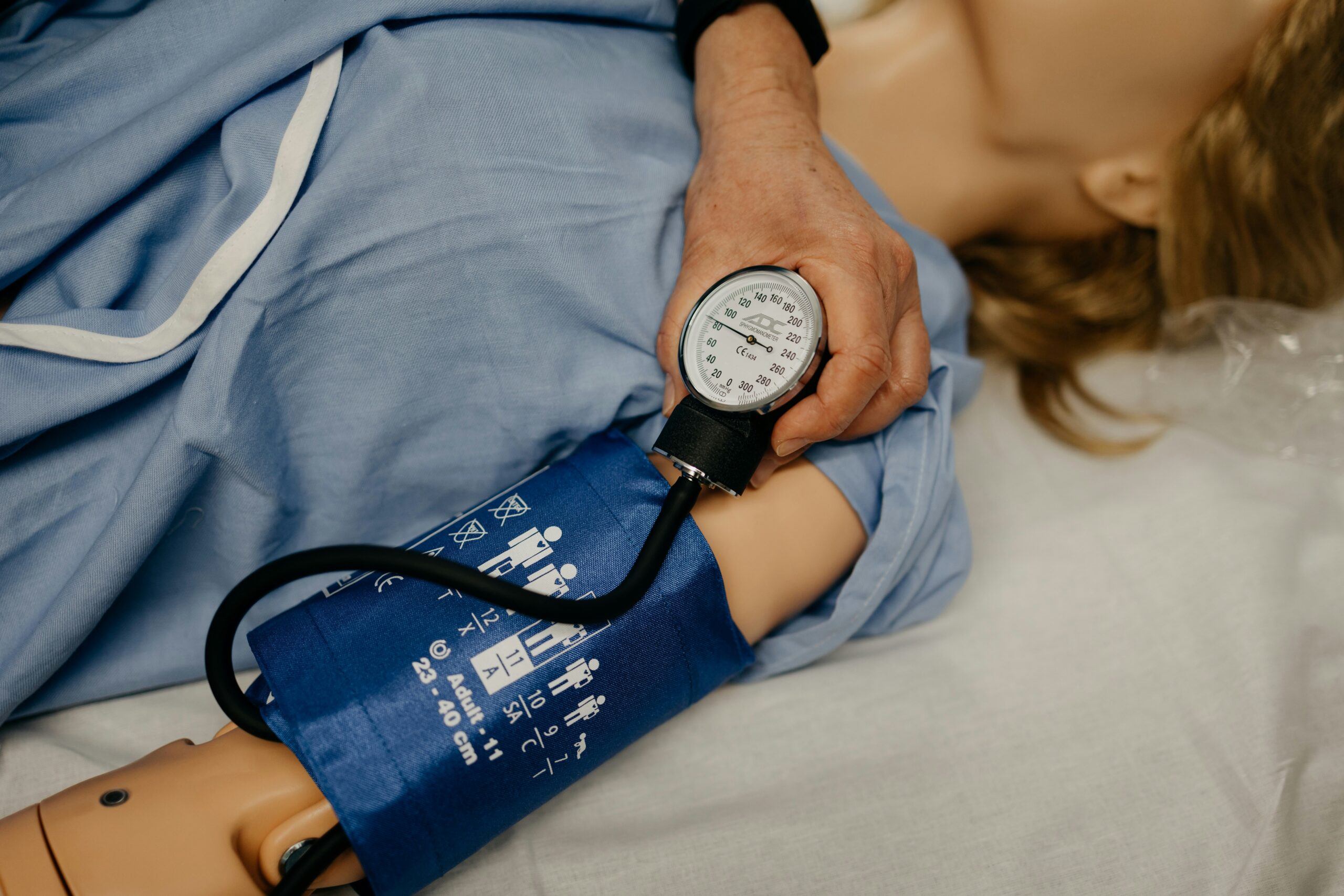
Modern emergency rooms depend on advanced technology to support rapid diagnosis and treatment. Imaging tools reveal internal injuries within minutes. Monitoring systems track heart rhythms, oxygen levels, and blood pressure in real time. Furthermore, electronic health records provide immediate access to patient histories. These innovations accelerate decision-making and reduce errors. However, technology alone cannot replace human judgment. Instead, it enhances skilled professionals’ ability to act swiftly. Therefore, the fusion of human expertise and advanced tools creates a powerful force for saving lives.
Emotional Strength and Compassion
Despite the pace, emotional connection remains central to emergency care. Patients arrive frightened, confused, and often in pain. Consequently, healthcare workers provide reassurance alongside treatment. A calm voice, steady hands, and empathetic presence ease anxiety. Furthermore, families depend on clear communication during uncertain times. Emergency professionals understand that compassion supports healing just as much as medication. Although emotional demands can strain resilience, many caregivers find strength in meaningful patient interactions. Through empathy, they transform clinical spaces into environments of trust and hope.
Managing Overcrowding and Limited Resources
Overcrowding challenges emergency departments nationwide. High patient volumes strain resources, stretch staff, and complicate workflows. As a result, teams must prioritize efficiently without compromising care. Moreover, limited bed availability forces quick decisions about patient placement and discharge. Despite these pressures, emergency workers remain committed to maintaining quality standards. They adapt by improving coordination and streamlining processes. Therefore, innovation and flexibility become essential tools for navigating constant demand. Through determination and teamwork, they continue to deliver timely care under challenging conditions.
Training for the Unexpected
Preparation remains a cornerstone of emergency medicine. Rigorous training equips professionals to handle diverse scenarios, from cardiac arrests to traumatic injuries. Simulation exercises replicate high-risk situations, allowing teams to practice responses in controlled environments. Furthermore, continuing education ensures that staff stay current with medical advances. Because emergencies evolve rapidly, learning never stops. Through ongoing training, emergency professionals sharpen skills and build confidence. This commitment to growth enhances readiness, ensuring that each patient receives informed and effective care.
Resilience and Mental Well-Being
The emotional toll of emergency medicine demands strong resilience. Exposure to trauma, loss, and high stress can affect mental health. Therefore, many institutions now prioritize wellness programs and peer support. Open conversations about burnout encourage healthy coping strategies. Additionally, mindfulness practices and scheduled breaks foster recovery. By supporting mental well-being, healthcare systems sustain long-term performance. Emergency professionals recognize that caring for themselves strengthens their ability to care for others. Thus, resilience becomes both a personal and collective responsibility.
Looking Toward the Future
Emergency medicine continues to evolve through innovation and research. New treatment protocols, telemedicine integration, and artificial intelligence tools promise faster diagnostics and improved outcomes. Moreover, community education initiatives aim to reduce preventable emergencies. As healthcare systems invest in these advancements, emergency departments become more efficient and responsive. Nevertheless, the core mission remains unchanged. Saving lives through swift, compassionate care defines every shift. Therefore, the future of emergency medicine balances technological progress with human dedication.
The Human Spirit in Action
Emergency rooms represent the intersection of urgency, expertise, and empathy. Every day, professionals confront uncertainty with courage and determination. They transform chaos into care through teamwork, resilience, and unwavering focus. Although the challenges remain immense, their commitment never wavers. Through rapid action and compassionate service, they preserve life and restore hope. In this relentless environment, the human spirit shines brightest. Against the clock, emergency teams prove that dedication and skill can overcome even the most daunting odds.